
Identity as Commodity
Antoine Loncle
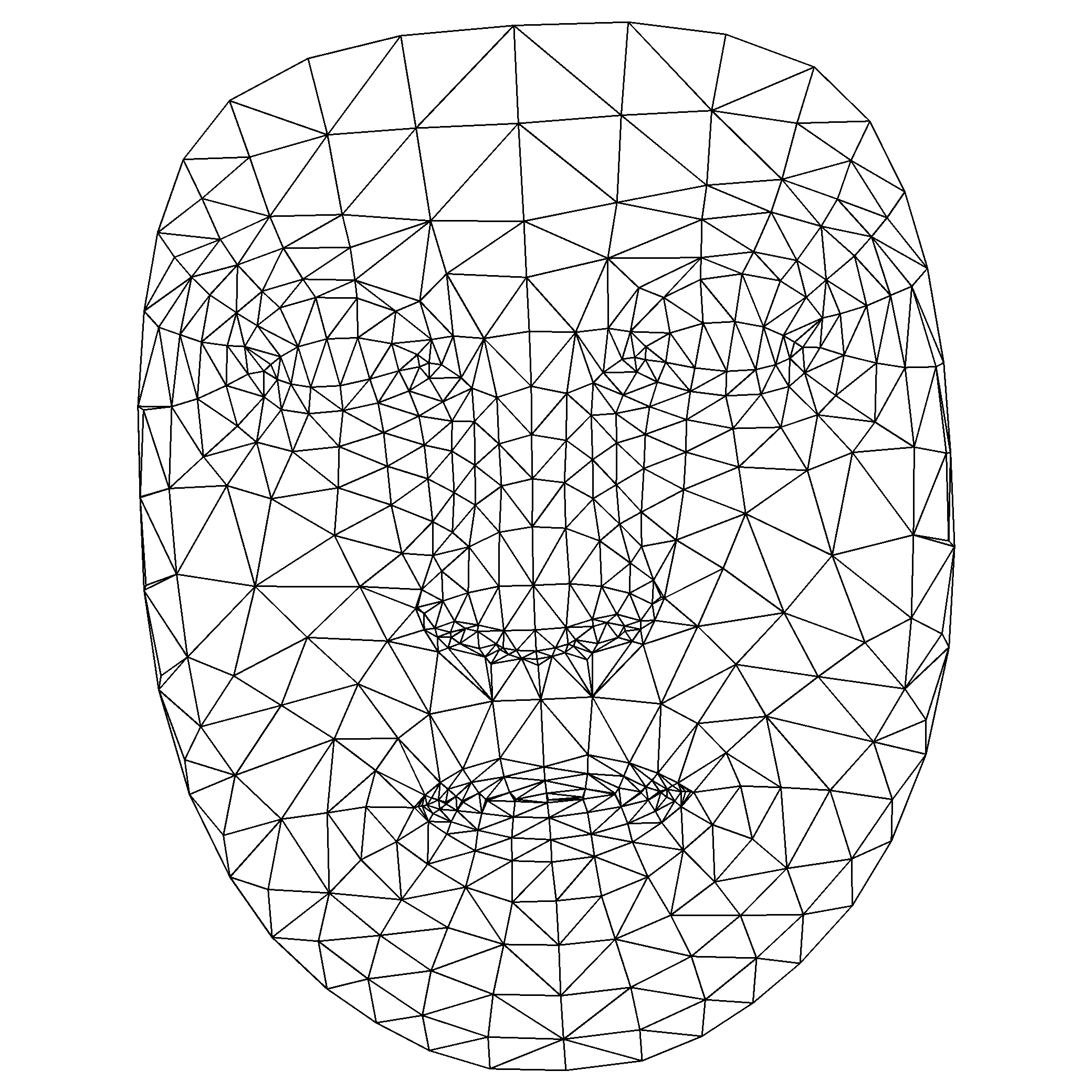
Who are you?
Many would struggle to tell you much more than a name, an occupation, a collection of interests. How do you see yourself? Are you the sum of your ancestors? Are you “self-made”? Are you, perhaps, a child of God, given a divine purpose? The question seems simple enough, until we begin to ask what exactly this “self” is that we are trying to describe.
For centuries, philosophers, scientists, religious figures, and, presumably, more than a few bar patrons, have debated the nature of the self. Are we born into our selves, carrying some inherent code that determines who we are? Or are we born as a tabula rasa, with experience shaping the person we become? It may be that the self is simply a collection of perceptions and experiences, or the continuity of memory that gives us a sense of being the same person over time. Or perhaps it is the mind, the body, the soul, or some combination of all three. The theories are nearly endless, and the question remains as pervasive as ever: what is it that makes you, you?
Regardless of where one stands within these philosophical debates, there remains a deceptively simple assumption beneath them: that the self belongs, in some fundamental sense, to the person who experiences it. I may believe that I am nothing more than a collection of neurons, shaped by genetics and predisposed to certain reactions. I may instead believe that I possess a soul, a destiny, or some deeper essence that cannot be reduced to biology. Whatever conclusion I arrive at, the authority to understand and define that self ultimately remains mine. I experience it. I interpret it. I call it my own. As would you. Do we not?
The idea that an individual possesses an implicit right to themselves is not necessarily a universal or timeless concept. In many historical societies, the person was understood through relationships of ownership, obligation and status. The most literal example is slavery, by which an enslaved person could possess an inner sense of self and individual consciousness, while within the legal system, their body, labour and capacity to act were considered the property of another. This creates a separation between the self as something experienced internally, and the self as something that can be defined and controlled externally.
Religion presents another conception of this relationship. Within many theological traditions, the individual is not considered to be in sole possession of their own existence. Life is given by, and belongs to, a higher power. This tension can be seen particularly in early modern philosophy. John Locke famously argued that every person has property in their own person, establishing an important foundation for the later idea of self-ownership. Yet, Locke also maintained that human beings are the workmanship and property of God. The individual can therefore be understood as possessing themselves while simultaneously existing within a larger order in which their life is not entirely theirs to dispose of.
Identity has also historically been something assigned through structures beyond the individual. Family, lineage, caste, religion, class and citizenship have all functioned as systems through which a person's position and identity could be determined before they had any meaningful opportunity to define themselves. Even in the most ordinary sense, I am never simply myself. I am someone's husband, someone's son, someone's colleague, someone's friend. To one person, I am dependable; to another, difficult; to someone else, a friend of a friend who talks too much. These are not different selves, but different ways of identifying the same person. Each belongs to me because each describes some part of who I am, but they also exist in the minds of the people who know me. In this regard, identity is relational. I experience myself as one person, while others construct their own understanding of me from their experiences, relationships and interactions with me. These versions may be incomplete, contradictory, or even inaccurate, but they still serve a simple purpose: they identify me.
Political philosophy introduces another form of external authority over the self. The emergence of the modern state raises questions about what an individual can legitimately surrender to political authority. For instance: you would like to not be stabbed? Then, you must also surrender the freedom to stab others. We collectively agree to be civil, giving up certain freedoms for the security and stability of living together. I have not given you my arm simply because I have agreed not to use it against you. I have surrendered a freedom, not ownership of myself. This differentiation is important. The social contract allows certain aspects of our behaviour to be governed by others, while the self remains, at least in principle, our own. The question, then, is where that distinction ends. What happens when what we surrender is no longer simply an action or a freedom, but information about the self?
Across these explorations, the self could be understood as belonging to the individual, or in some sense, to entities beyond: to God, to the state, to a master, to a family or to a social structure. Yet, beneath these systems remains a fundamental quality. Whatever authority claimed ownership over the person, the experience of being oneself remained one's own. The self could be controlled, classified or possessed by another, but it was still experienced from within. That division is beginning to disappear.
For the first time, rather than having aspects of ourselves imposed upon us by an external authority, we now willingly surrender parts of the self to participate in the systems that structure everyday life. To use these systems, we give ourselves away.
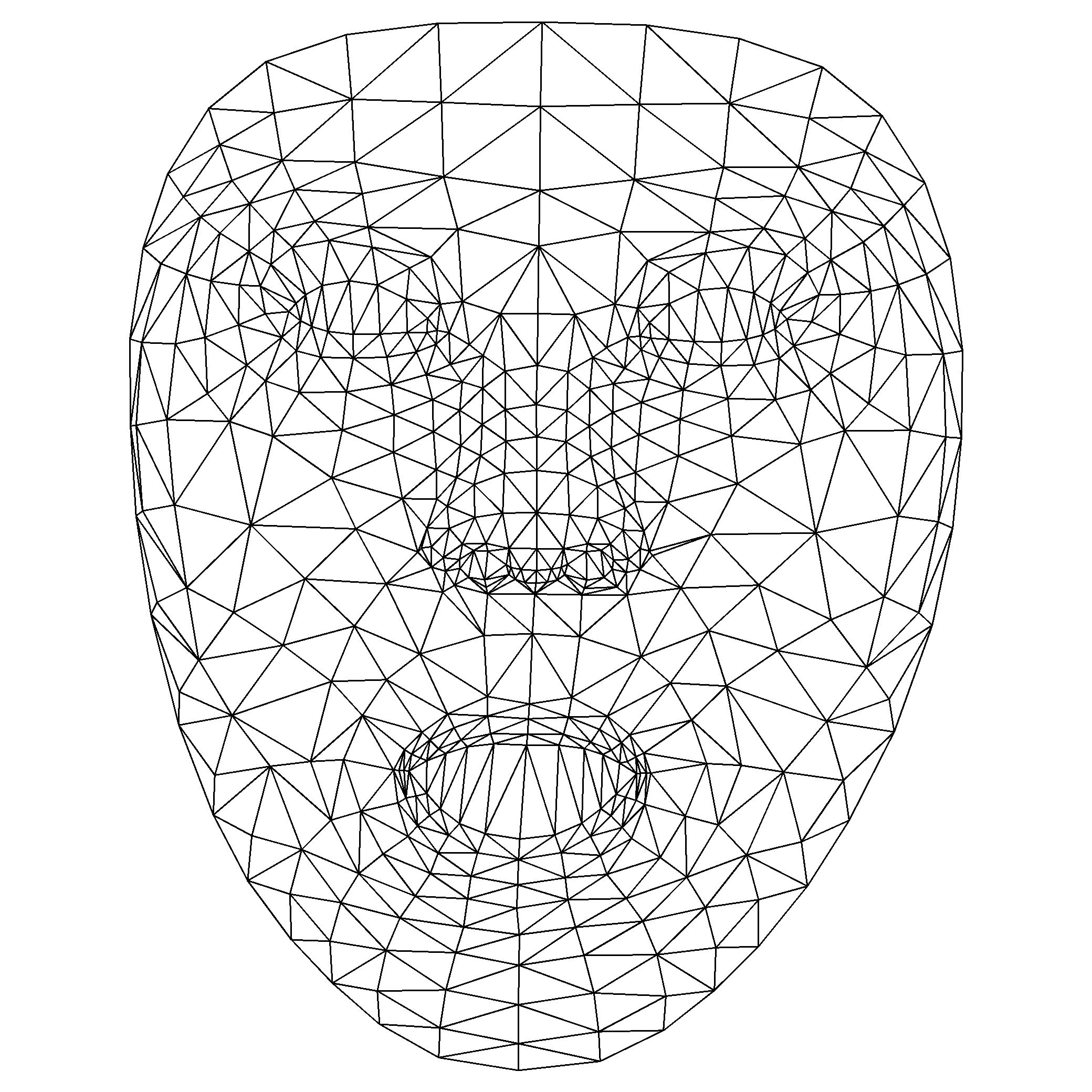
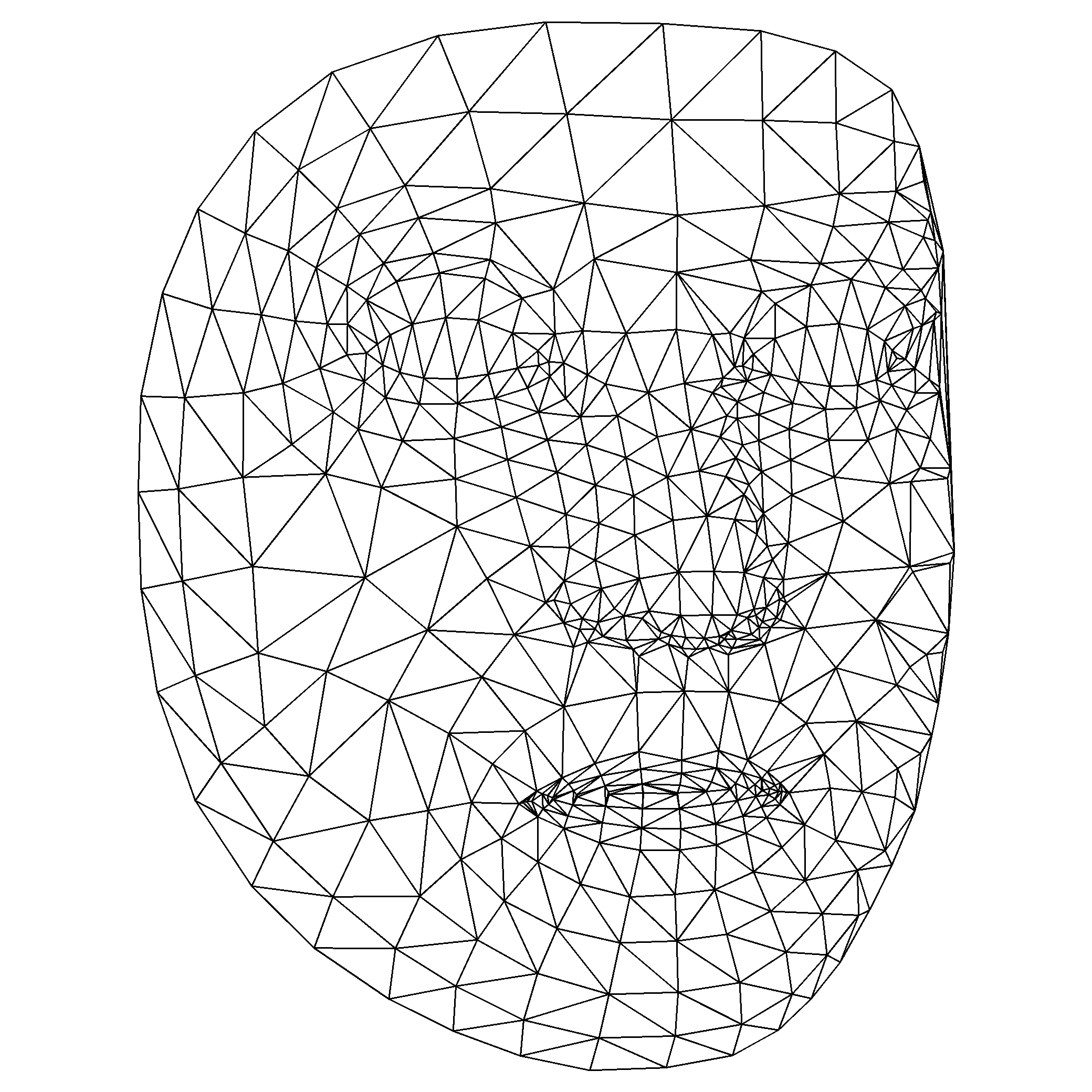
Your face becomes data to be collected.
Your movements become data to be collected.
Your preferences, relationships, habits, likes and dislikes become data to be collected.
You become data to be collected.
This data is stored, analysed and exchanged between systems, bought and sold as something with economic value. What was once understood as an intimate and inseparable part of the individual becomes a resource that can exist outside of them, reproduced and circulated without their physical presence.
The consequence is that others now possess information about us that can be used to shape who we become. These fragments of the self are used to construct representations of who we are, to predict what we might want, and to influence what we see, what we desire and how we behave. The self becomes both the source of the data and the object being acted upon by it. We give away pieces of ourselves, and those pieces are then used to shape the person from whom they came. The boundary between experiencing the self and being represented by something outside of the self begins to collapse.
“The self” as we have understood it is no longer entirely our own. Through countless ordinary exchanges that are becoming increasingly difficult to avoid, we have willingly transformed the self into a commodity. And perhaps, most importantly, the mechanisms by which this happens are deliberately obscured, hidden behind convenience, complexity and systems designed to keep us participating. The self becomes something to be extracted, traded and used by those who stand to profit from it, influence us through it, or gain power from knowing us better than we know ourselves.
This is the death of the self. The individual remains alive; consciousness persists. What is lost is the notion that the self ultimately belongs to the person who experiences it. And unlike many of the systems that claimed ownership of the self throughout history, this transformation has not been imposed upon us entirely from outside. We are willing participants.
“Identity as Commodity” was produced in 2026 as an open edition zine.